

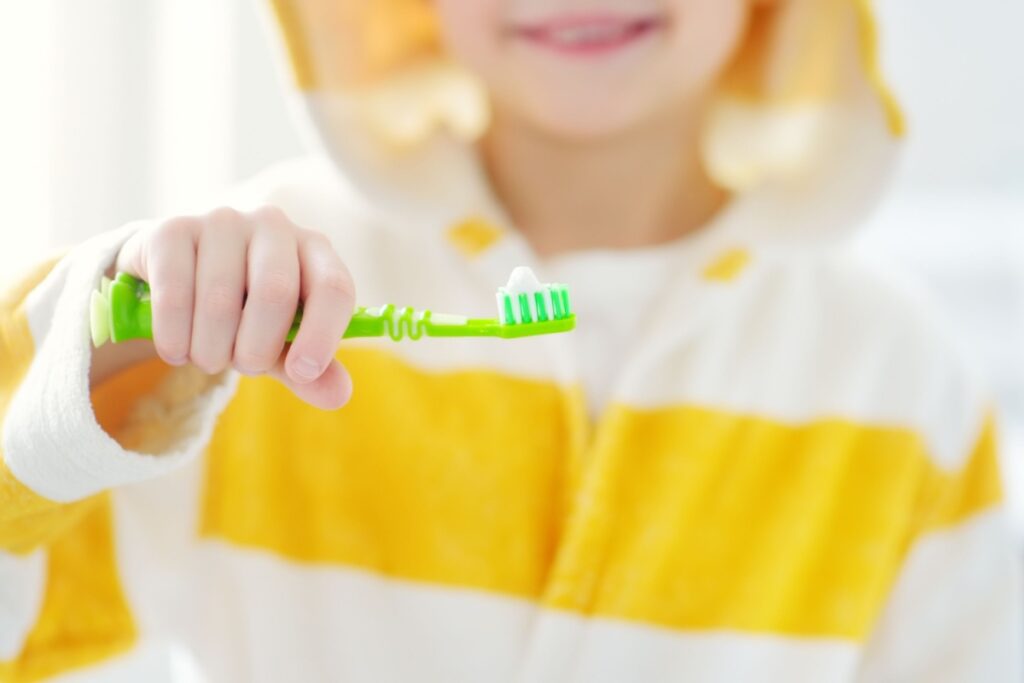
Walking down the oral care aisle can feel a bit overwhelming, especially with a little one in tow. With so many colours, characters, and sizes, how do you pick the best toothbrush for your child? You want something that works well but also something your child will actually want to use.
Choosing the best toothbrush is simpler than it looks, and a pediatric dentist can help make the process even clearer. The key is to find a brush with soft bristles that fits your child’s mouth comfortably and is easy for them, or you, to hold. Plus, a fun design is a bonus that can make your daily routine a little easier!
How to Choose the Right Toothbrush for Every Age
Pick a toothbrush that fits your child’s mouth and is easy for them to hold. Look for soft bristles, as these are gentle on their gums. Here are a few tips based on age:
For Babies & Toddlers (0–2 Years)
- A tiny head is designed to fit inside a baby’s small mouth, with a large handle that gives you a secure grip.
- Extra-soft bristles gently clean delicate gums and newly erupted teeth without causing irritation.
For Preschoolers (3–5 Years)
- A slightly larger head helps cover more tooth surface area as more teeth come in.
- Fun colours or their favourite characters can make brushing an exciting part of the day, not a chore.
- Look for a chunky handle they can start to grip themselves as they learn to brush independently.
For School-Aged Kids (6+ Years)
- The brush head should be large enough to comfortably clean around their bigger molars.
- Handles are often slimmer and designed for more independent use, suiting their improved dexterity.
- At this age, you can choose either a manual or an electric brush based on their preference and needs.
Manual vs. Electric Toothbrushes
Toothbrushes are getting more and more technology built into them. But the good news is, both manual and electric toothbrushes do a great job of cleaning kids’ teeth when used correctly. The choice often comes down to what your child prefers and will use consistently every day.
For some children, the vibration and timer on an electric toothbrush can make brushing more engaging and help them brush for the recommended full 2 minutes.

Create a Simple & Fun Brush Routine
You can show your child how to use small, gentle circles to clean the front, back, and chewing surfaces of every tooth. A fun song that lasts 2 minutes or a colourful sand timer can help them follow proper brushing techniques for the right amount of time. Some newer electric toothbrushes even come with apps that turn brushing into a game, making it easier to keep kids engaged. Remember to brush twice a day to clean off the sugar bacteria love to eat. That’s once in the morning and once before bed.
A little bit of fluoride toothpaste goes a long way. For children under 3 years old, a tiny smear, about the size of a grain of rice, is all you need. Once they turn 3, you can move up to a pea-sized amount.
When to Replace a Toothbrush
A worn-out toothbrush doesn’t clean plaque as well as a new one. Plan to replace your child’s toothbrush every 3 to 4 months. It’s also a good idea to get a new one sooner if you see the bristles are looking off. Here are a few signs to watch for:
- Frayed or bent bristles that stick out in different directions
- A generally worn-out or shabby appearance
- Discolouration in the bristles from toothpaste or use
It’s a good practice to toss the old toothbrush and get a new one after your child recovers from a cold, the flu, or a sore throat. This helps prevent reintroducing germs back into their system and keeps them healthy.
How Your Pediatric Dentist Can Help
Your child’s dental team is a great resource for personalized advice on their oral health. A pediatric dentist can check that your child’s teeth are developing correctly during regular visits. They can also offer guidance on your at-home care routine.
Keep in mind that most children need help brushing until they develop the dexterity to do it well on their own—typically around the same age they can tie their shoelaces or (for the velcro kiddos) use a fork and knife independently. Until then, supervising or assisting with brushing helps ensure they’re cleaning effectively. If budget allows, electric toothbrushes with tracking apps can be helpful tools during this learning phase, showing you and your child where they’re brushing and for how long.
Every child is different, and we can offer specific recommendations that suit your family. That means helping you choose the right toothbrush, toothpaste, and techniques for your child’s unique smile.
Support Healthy Habits for Life
Regular dental checkups reinforce the good oral hygiene habits you teach at home. These visits create a positive and comfortable foundation with dental care. This positive relationship can support a lifetime of healthy smiles.
Building a fun and consistent routine helps your child feel confident about taking care of their teeth. It’s all about a lifetime of healthy smiles!
Our team at London Little Bites Dentistry is here to support your family with friendly and helpful advice. If you have questions about your child’s brushing routine, feel free to ask them at your next visit!