
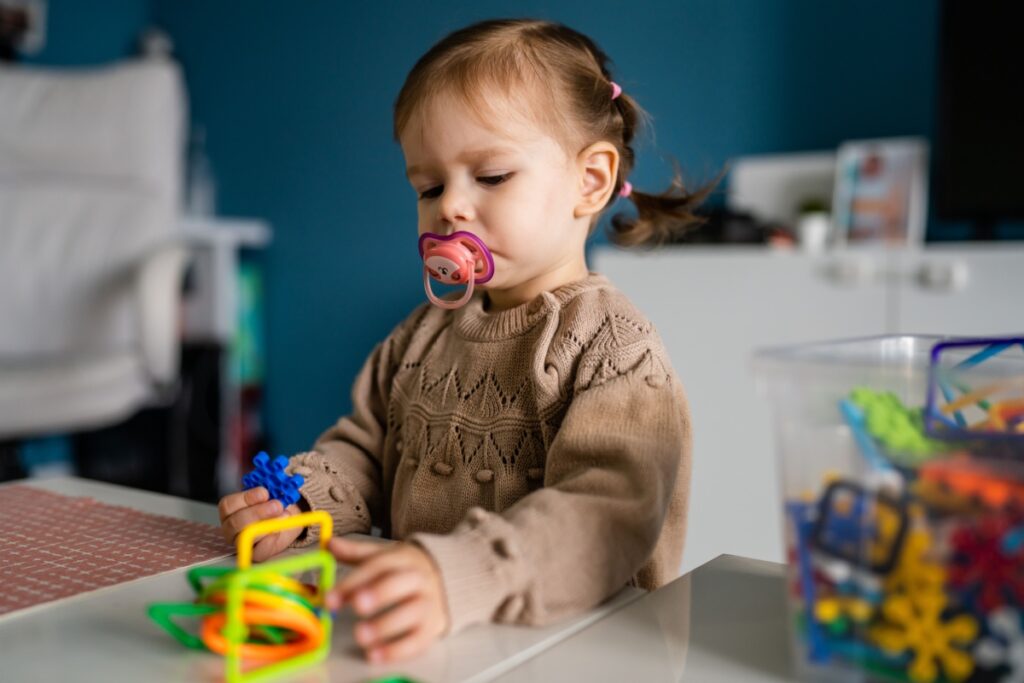
That little pacifier can feel like a secret weapon: It soothes fussiness, helps with naps, and can even give you a rare moment of peace and quiet. But as your baby grows into a toddler, you might start to wonder when it’s time to say goodbye. At London Little Bites Dentistry, our team understands that it can be difficult to balance your child’s development with removing something comforting.
Our pediatric dentist Dr. Lee recommends gently phasing out the pacifier between the ages of 2 and 4 to support healthy oral development.
The Pros & Cons of Pacifier Use
Benefits for Your Baby
During the first year, a pacifier can be a fantastic tool for both you and your baby. It satisfies their natural sucking reflex, which helps them feel calm and secure. This can make a big difference when it comes to settling down for a nap or sleeping through the night, especially during challenging times like the 5 stages of teething.
Beyond comfort, some research suggests a link between pacifier use at bedtime and a reduced risk of sudden infant death syndrome (SIDS). For many families, these benefits make the pacifier a valuable part of early infancy.
Common Concerns for Toddlers
As your child gets older, the same pacifier that was once helpful can introduce new questions. You might worry about how prolonged use could affect their teeth, jaw, or speech, all important parts of their overall oral health. It’s also true that frequent pacifier use can sometimes be linked to a higher chance of middle ear infections in toddlers.
How Pacifiers Affect a Child’s Teeth & Jaw
Changes to Look For
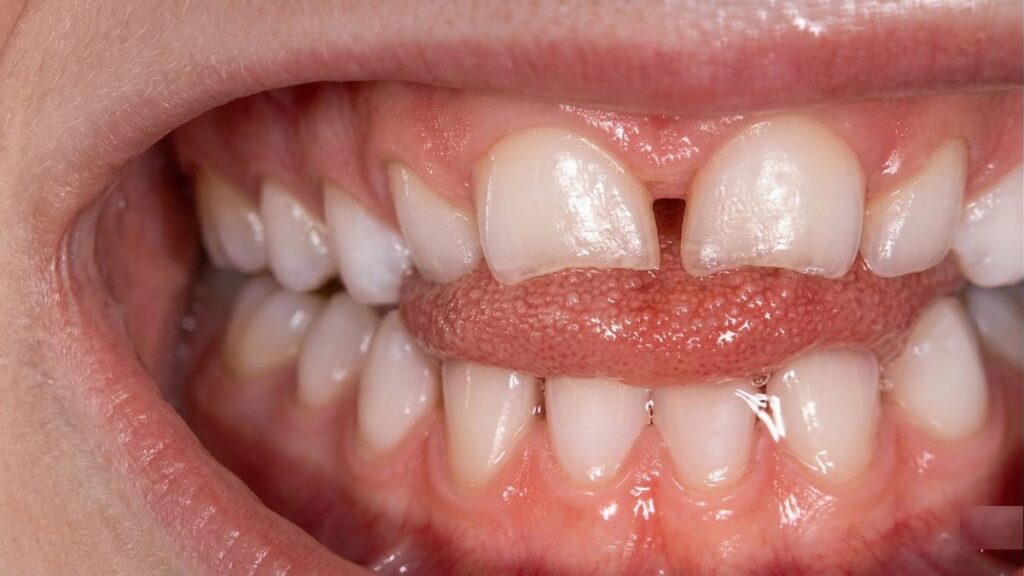
After your child’s second birthday, long-term pacifier use can start to influence how their mouth and teeth develop. You know your child better than anyone, and you can often notice subtle changes before anyone else, so keep your eye on:
- Shifts in the bite or tooth alignment, when the front top and bottom teeth don’t meet
- Changes to the shape of the roof of the mouth
- Altered jaw growth patterns
These developments are important because the position of baby teeth helps guide permanent teeth into place, which is why taking care of baby teeth is so important.
Signs Your Child Is Ready to Quit the Pacifier
Your child can give you clues that they are ready to move on from their pacifier. Paying attention to their signs can make the transition much smoother. It’s less about a strict deadline and more about recognizing when the time is right for your little one. It might be time if your child:
- Shows less interest in the pacifier throughout the day
- Uses it only for comfort during sleep or stressful moments
- Reaches 2 to 4 years of age, the typical window for weaning
Gentle Weaning Tips & Fun Ideas
Positive & Creative Approaches
Saying farewell to the pacifier doesn’t have to be a battle. You can frame it as an exciting step forward, a sign that your child is growing up. A positive and creative approach, much like other aspects of children’s dental care, can empower them and make the process a shared adventure. Here are our top tips:
- Trade the pacifier for a new “big kid” toy they’ve been wanting
- Arrange a special visit from the “pacifier fairy,” who collects old pacifiers for new babies and leaves a surprise behind
- Read books together about characters who are also saying goodbye to their pacifiers
When to See a Pediatric Dentist About Pacifier Use
If your child is approaching age 3 and still uses a pacifier frequently, schedule a dental checkup to assess their bite and jaw development. Dr. Lee can identify early signs of dental changes like open bite or palate narrowing before they become harder to correct.
Already started weaning but concerned about tooth alignment or jaw shape? A dental evaluation can determine if any changes need monitoring or intervention as permanent teeth develop.
At London Little Bites Dentistry, we help families create realistic weaning timelines that balance your child’s comfort with their dental health. Schedule your child’s dental checkup today.