


Key Takeaways
- Baby bottle tooth decay happens when sugar sits on your baby’s teeth for long periods.
- Falling asleep with a bottle and sharing spoons can increase risk.
- White spots on teeth are an early warning sign to watch for.
- Wiping gums after feedings and brushing with fluoride toothpaste can help protect teeth.
- Your child’s first dental visit should happen by their first birthday.
Your baby’s tiny teeth seem like they appear overnight, and before you know it, you’re thinking about how to take care of them. Most parents know candy and sweets can cause cavities, but everyday feeding habits can also play a role. Something as routine as a bedtime bottle can quietly affect your little one’s teeth while they sleep.
Baby bottle tooth decay is a type of early childhood cavity caused by prolonged sugar exposure on your baby’s teeth, and simple daily habits can go a long way in helping to prevent it.
What Baby Bottle Tooth Decay Actually Is
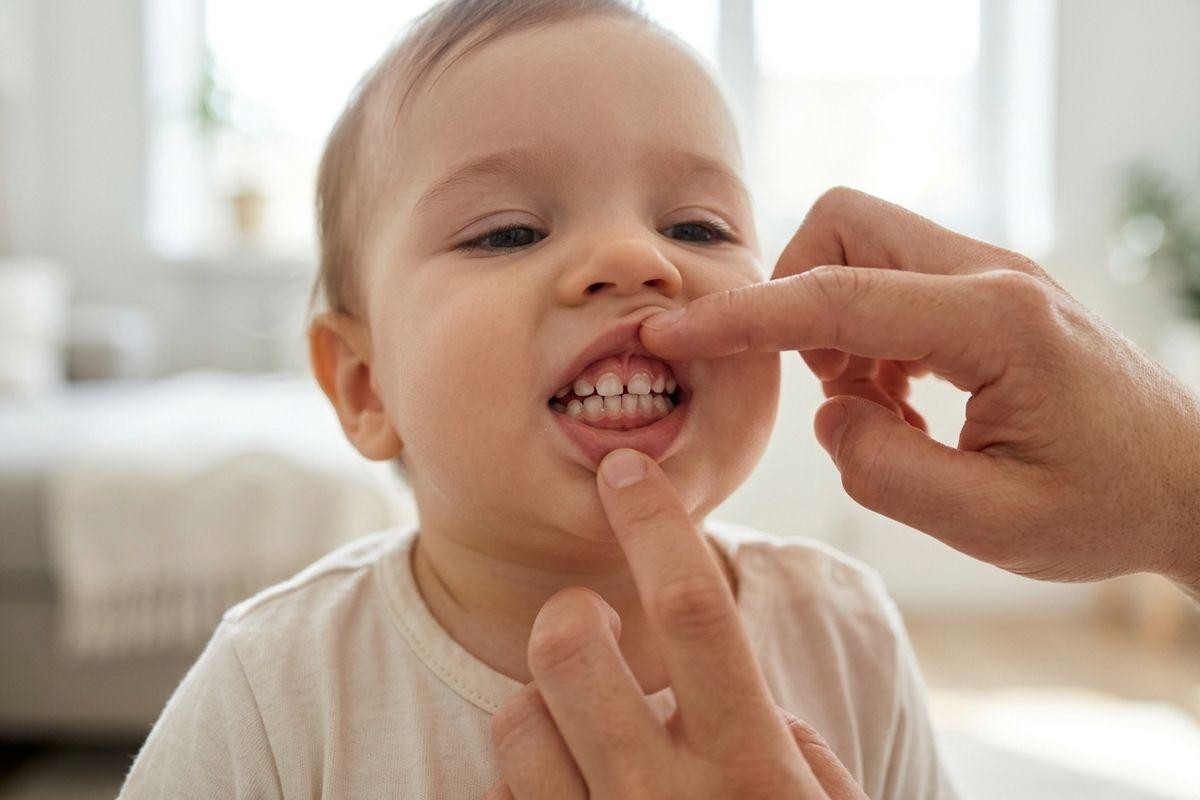
Baby bottle tooth decay, also called early childhood caries, refers to cavities that develop in infants and toddlers. The upper front teeth take the most damage, since they’re the ones most exposed when a baby feeds.
When sugary liquids like milk, formula, or juice sit on teeth for a long time, bacteria feed on that sugar and produce acid. That acid dissolves tooth enamel, the hard outer layer of the tooth. Enamel is the hardest substance in the human body, so if acid can wear it down, it’s worth taking seriously. It doesn’t take long for that process to cause real harm, especially in a baby’s developing mouth.
Common Causes of Tooth Decay in Babies & Toddlers
Bottle & Feeding Habits
The way your child uses a bottle matters more than you might think.
When a baby falls asleep with a bottle, milk or formula pools around the teeth for hours. That long exposure is exactly the kind of environment where decay starts. Frequent overnight feeding after teeth come in can also increase risk, especially when teeth are not cleaned afterward. If your child does fall asleep after feeding, gently wiping their teeth and gums with a clean, damp cloth is better than leaving milk or formula sitting on the teeth overnight. Sippy cups filled with juice or milk and carried around all day create a similar problem because the teeth stay coated in sugar for hours at a time.
Habits That Transfer Bacteria
Cavity-causing bacteria can actually pass from one person to another. Sharing a spoon to taste your child’s food or cleaning a pacifier with your mouth transfers bacteria directly into your baby’s mouth. The risk can be higher if a parent or caregiver has untreated cavities, since more cavity-causing bacteria may be present. To learn more about how bacteria spread between family members, the team at London Little Bites Dentistry covers how cavity-causing bacteria spread in a way that’s easy to understand. Avoid dipping pacifiers in honey or anything sweet, since that adds sugar on top of bacteria.
Early Signs to Watch For
Catching decay early can make a real difference in how much treatment your child needs. Here are some signs worth paying attention to:
- White spots on teeth, which can signal early enamel breakdown, also called demineralization or decalcification
- Brown or black staining, which may mean there is already a hole in the tooth
- Fussiness, irritability, or pain when chewing or brushing, which can happen when decay gets deeper and the nerve may be exposed
White spots are especially helpful to catch because this early stage may still be managed before a cavity fully forms. You can also learn more about what tooth decay can look and feel like so you know what to keep an eye on at home.
Simple Ways to Prevent Baby Bottle Tooth Decay
Daily Habits at Home
You don’t need a complicated routine to protect your child’s teeth. A few consistent habits make a big difference.
- Wipe your baby’s gums with a clean, damp cloth after every feeding, even before teeth come in
- Once that first tooth appears, brush with a rice-sized smear of fluoride toothpaste twice a day
- Fill any bedtime bottle with water only, so teeth aren’t sitting in sugar overnight
Feeding & Diet Tips
What goes in the cup matters just as much as how often your child drinks from it. Offer water between meals instead of juice or milk, and aim to transition away from a bottle to a regular cup around your child’s first birthday. That single switch can reduce how long sugar stays in contact with teeth each day.
When to See a Pediatric Dentist in London
A lot of parents assume dental visits can wait until their child is older. In reality, the earlier you start, the better positioned your child is for a healthy smile.
A common recommendation is to bring your child in within six months of their first tooth coming in, or by their first birthday. Regular dental checkups help catch early decay before it spreads and give you a chance to ask questions about your child’s specific habits and diet. A pediatric dentist in London can build a care plan that fits your child’s age, growth, and needs, so you’re never guessing what to do next.
At London Little Bites Dentistry, the team works with parents to make dental visits feel easy and approachable, even for the tiniest patients. If you’re ready to book your child’s first visit or have questions about their teeth, reach out today and take that first step toward a healthy smile from the start.