

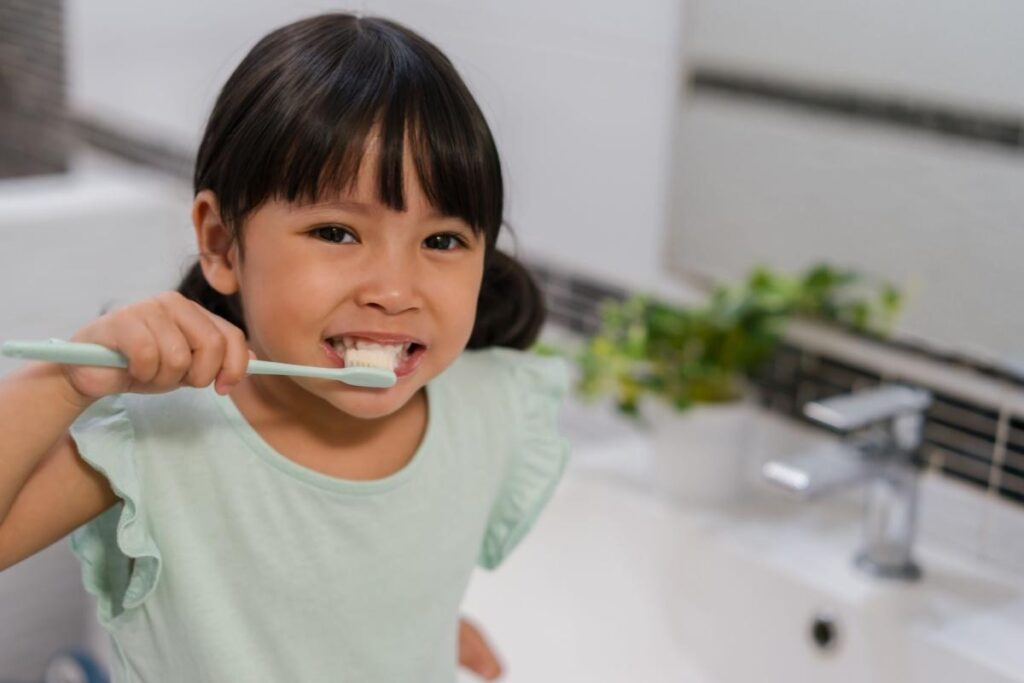
You watch your little one struggle with their toothbrush each morning, and you wonder if it’s time to let them take the lead. Maybe they’ve been asking to “do it myself,” or you’re tired of the nightly tooth-brushing battles. This milestone feels tricky because you want to encourage independence while making sure their teeth stay healthy. London Little Bites Dentistry understands these common parenting concerns about children’s oral health development.
Most children can start brushing their teeth independently when they can tie their shoes or use a fork and knife properly, typically between the ages of 6 to 8, though every child develops at their own pace. The key isn’t just age—it’s whether your child has the hand coordination, attention span, and responsibility to do a thorough job twice a day. Pediatric dentists can help you understand the specialized guidance available for your child’s oral health journey.
Signs Your Child Is Ready for Independent Brushing
Your child’s motor skills tell you more than their age does. When they can tie their shoes without help, they’ve developed the fine motor control needed to maneuver a toothbrush around all surfaces of their teeth. The same coordination that lets them use a fork and knife properly shows they can handle the precise movements brushing requires.
Watch how they follow multi-step instructions throughout the day. Can they get dressed, pack their backpack, and grab their lunch without constant reminders? If they can complete morning routines independently, they’re likely ready to add tooth brushing to that list.
Hand coordination shows up in their writing, drawing, and handling of small objects. Children who can write their name clearly and colour within lines usually have the dexterity to brush effectively. You’ll also notice they can reach all areas of their mouth without awkward fumbling. Children’s dental care guidance offers helpful milestones to track your child’s development.
Age Guidelines & Development Milestones
Ages 2 to 4: Supervised Practice Phase
During these early years, you handle the actual cleaning while your child holds the brush to get familiar with the routine. Think of this as their apprenticeship period—they’re learning what brushing looks like and feels like, but you’re doing the work that keeps their teeth healthy. The 5 stages of teething can help you understand what’s happening in your child’s mouth during this development phase.
Let them hold the toothbrush handle while you guide their hand through the motions. This hand-over-hand technique gives them a sense of participation without the pressure to perform. Focus on making this time pleasant, so they develop positive associations with tooth care.
Your main goal right now is to establish a routine. Brush at the same time each day, use the same toothpaste flavour, and keep the experience calm and predictable. These habits can stick with them long after they take over the job.
Ages 6 to 8: Transition to Independence
The transition phase works like training wheels on a bicycle. Your child brushes first while you watch, then you step in to catch any spots they missed. You’re still involved, but they’re doing more of the actual work.
Check their technique after they finish and gently correct any issues you notice. Most children this age miss their back molars or rush through certain areas. Point out these spots and show them how to reach every surface. Proper brushing and flossing techniques provide detailed instructions for effective cleaning.
Gradually reduce your supervision as their technique improves. Some children master independent brushing by age 6, while others need guidance until age 8 or 9. Trust your observations over arbitrary timelines.

Teaching Proper Technique Step by Step
A 2-minute timer takes the guesswork out of brushing duration. Use a fun timer, play a favourite song, or try a brushing app on your phone or tablet to make time pass quickly. Most children naturally rush through brushing, so the timer helps them slow down and be thorough.
Demonstrate gentle circular motions on each tooth surface rather than harsh back-and-forth scrubbing. Show them how to angle the brush toward the gum line and move systematically around their mouth. Break it down into quadrants so they don’t miss sections. Detailed brushing instructions can help you teach proper technique at home.
Don’t forget the tongue and gum line—areas many children skip entirely. Teach them to gently brush their tongue from back to front and to pay attention to where their teeth meet their gums. These spots collect bacteria that can cause problems if ignored.
Common Mistakes & How to Fix Them
Rushing through the cleaning process is the biggest mistake children make. They think faster means better, but effective brushing requires patience and attention. The timer helps, but you might need to remind them that thorough cleaning takes time.
Back teeth and molars get missed because they’re harder to reach and see. Teach your child to open wide and angle the brush to reach these areas. You can use a mirror to show them exactly where these teeth are and how to access them. How cavities are affected by sugar explains why thorough cleaning matters for preventing decay.
Many children brush too hard, thinking more pressure equals cleaner teeth. This can actually damage their enamel and gums over time. Show them how gentle pressure combined with proper technique cleans more effectively than aggressive scrubbing. Good oral hygiene habits emphasize the importance of gentle, consistent care.
When to Schedule Your Child’s Next Checkup
Regular checkups every 6 months help catch small issues before they become big problems. These visits also give your child’s dentist a chance to reinforce good brushing habits and correct any technique problems you might miss at home.
A pediatric dentist consultation can provide personalized guidance based on your child’s specific needs and development. The dentist can assess whether your child is ready for independent brushing and offer tips tailored to their mouth and maturity level.
Professional technique review during these visits helps both you and your child feel confident about their brushing routine. The dental team can demonstrate proper methods and answer any questions about your child’s oral health journey. Regular dental exams play a role in maintaining your child’s oral health throughout their development.
Safeguard Your Smile with London Little Bites Dentistry
Teaching your child to brush independently is a gradual process that requires patience and consistency. Every child develops at their own pace, so focus on their individual readiness rather than comparing them to others.
If you have questions about your child’s brushing technique or readiness for independence, London Little Bites Dentistry can help assess their progress and provide personalized guidance for their oral health journey.
[a]This “hand-over-hand” technique gives…
[b]…app on your phone or tablet to….
[c]“missed”?