

Key Takeaways
- Baby teeth hold space for adult teeth and help your child chew and speak.
- Deep decay in a baby tooth can reach the developing adult tooth underneath.
- Watch for white spots, dark discolouration, and pain with hot or cold.
- An untreated cavity can lead to early tooth loss and shifting teeth.
- Brushing, smart snacks, and checkups every six months help protect small smiles.
Your child’s baby teeth might feel like short-term visitors, but they set the stage for the adult smile on the way. Plenty of parents who visit London Little Bites Dentistry ask whether a cavity in a baby tooth can hurt the permanent tooth growing underneath. The team hears this question a lot, and the answer can shape how you care for your child’s teeth.
Yes, a deep cavity in a baby tooth can affect the adult tooth developing below it, so treating decay early helps protect your child’s future smile. The good news is that simple habits and regular checkups go a long way toward keeping both sets of teeth healthy.
Why Baby Teeth Matter More Than You Think
Those tiny teeth do a lot of heavy lifting. Baby teeth act as placeholders for the adult teeth waiting below the gums, and they guide those permanent teeth into the right spots.
They also help your child bite into an apple, chew dinner, and form words at storytime. When a baby tooth stays healthy, your child gets to eat, talk, and smile without a fuss. That’s a bigger job than most people give them credit for.
How Cavities in Baby Teeth Reach Adult Teeth
A small cavity might seem harmless, but decay doesn’t always stay put. When decay goes deep enough, it can affect the developing adult tooth sitting right below.
Bacteria can also spread to nearby teeth. In some cases, this shows up as staining on the new tooth or a permanent tooth that takes longer to come in.
Can Decay Spread to Permanent Teeth?
It can. Bacteria and infection from deep decay can spread into the area where the adult tooth is developing. Catching decay early helps keep that from becoming a problem for your child’s grown-up smile.
Signs of Tooth Decay to Watch For
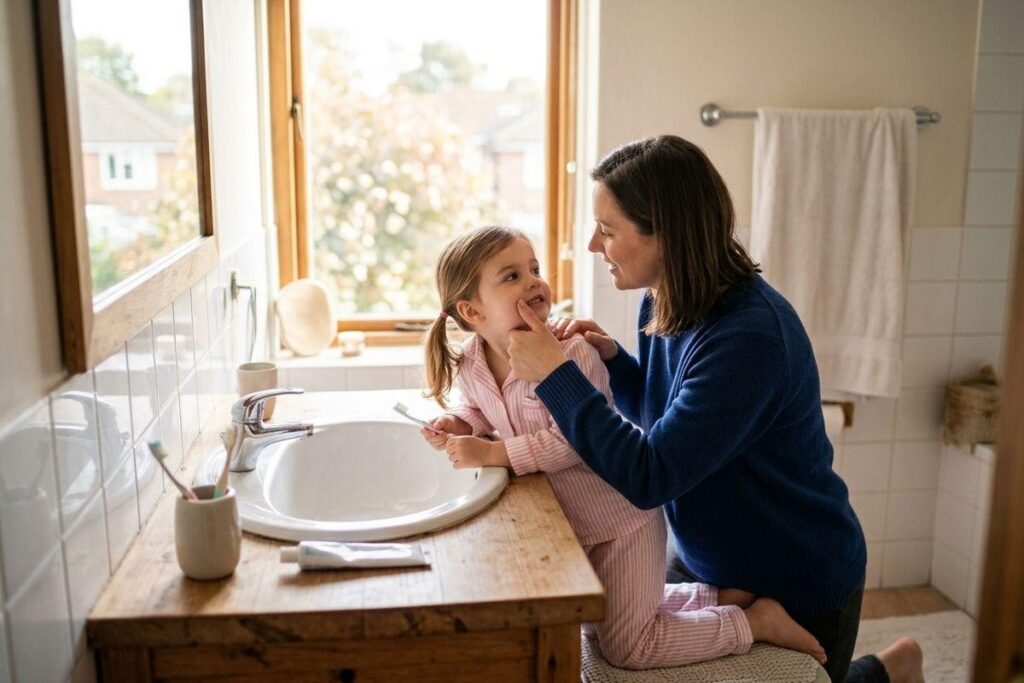
You see your child’s teeth every day, so you’re in a good spot to notice changes. A quick peek during brushing time can help you spot trouble early.
- White spots along the gum line.
- Brown or black discolouration on a tooth.
- Pain or sensitivity to hot, cold, or sweet foods.
Behaviour Changes to Notice
Sometimes the mouth stays quiet, but the mood does not. Watch for trouble eating or sleeping, or sudden irritability or mood changes. Irritability and mood shifts can be your child’s way of saying something hurts.
What Happens if a Baby Tooth Cavity Goes Untreated
Left alone, a cavity tends to get bigger, not smaller. Your child can end up with real pain and a possible gum infection.
A badly decayed baby tooth can also fall out too early. When that happens, the teeth next door can start to shift into the empty space. That can lead to crowding and alignment problems once the adult teeth are ready to arrive. A little attention now can save your child from bigger dental work later.
How to Prevent Cavities & Protect Your Child’s Smile
Good news for busy parents. Most of what keeps cavities away happens at home with habits you can build into your day.
Simple Home Habits
Brush twice a day with a fluoride toothpaste, morning and before bed. Start flossing as soon as possible, especially once teeth begin to touch each other. If your little one still takes a bedtime bottle, fill it with water only, since sugary drinks feed the bacteria that cause decay.
Smart Diet Choices
What your child snacks on matters as much as brushing. Limit sticky, sugary treats like gummies and fruit chews that cling to teeth, and cut back on how often your child snacks on sweets throughout the day. Balanced meals with proteins, veggies, and dairy give little teeth what they need to stay strong.
Regular Visits With Your Pediatric Dentist in London
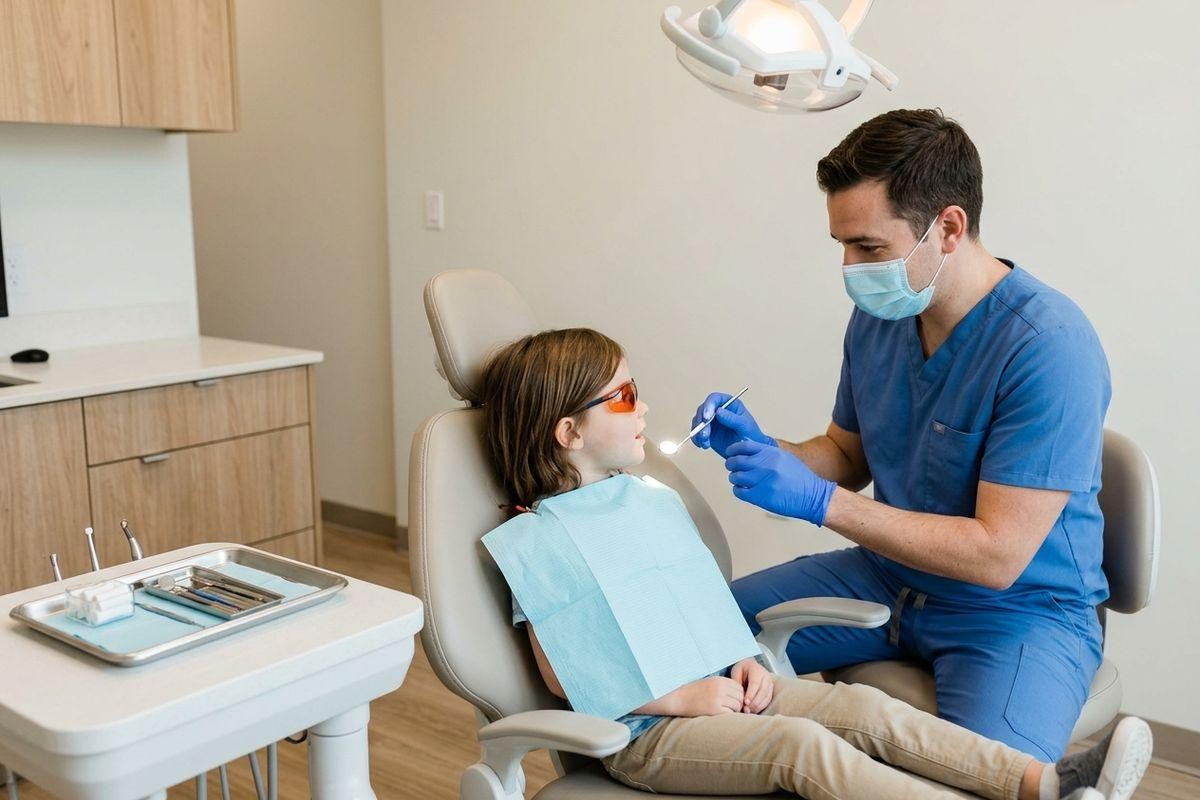
Home care goes a long way, and the team at London Little Bites Dentistry can help you fill in the rest. Checkups every six months let the team catch small issues before they grow and add preventive treatments to keep decay away. Early detection means simpler visits and happier kids.
Your child’s baby teeth deserve the same care as the adult ones on the way. The team at London Little Bites Dentistry loves making dental visits feel friendly, fun, and low-stress for kids and parents alike. Book your child’s next checkup today and give that little smile a strong start.